
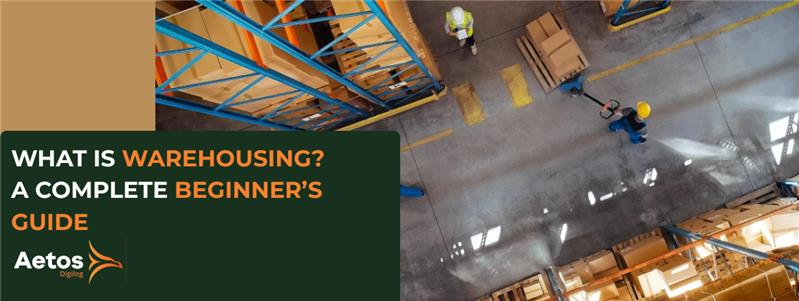
Warehousing plays a crucial role in modern supply chains by acting as the bridge between production and distribution. It ensures that goods are stored safely, managed efficiently, and made available whenever required. For businesses involved in manufacturing, retail, distribution, or e-commerce, warehousing is not just a support function it is a strategic operation that directly impacts cost, delivery speed, and customer satisfaction.
In today’s competitive market, customers expect fast and accurate deliveries. Without a well-structured warehousing system, businesses struggle with inventory issues, delayed shipments, and operational inefficiencies. That is why understanding the fundamentals of warehousing is essential for businesses of all sizes.
This guide explains what warehousing is, why it matters in the supply chain, how it works, and the key functions it performs to support business growth.
What Is Warehousing?
Warehousing is the process of storing goods in a systematic and secure manner until they are required for production, distribution, or sale. It involves not only physical storage but also the planning, organization, and control of inventory within a designated facility known as a warehouse.
A warehouse acts as a central hub in the supply chain where products are:
- Received from suppliers or manufacturers
- Inspected for quality, quantity, and damage
- Stored in designated and organized locations
- Managed as inventory using defined processes
- Picked, packed, and dispatched to customers or distribution points
Warehousing is not just about having enough space to store products. It is a structured system that ensures goods are easy to locate, inventory levels are accurate, and orders can be fulfilled quickly and correctly. Effective warehousing helps businesses reduce costs, avoid stock-related issues, and maintain smooth operations across the supply chain.
Why Is Warehousing Important in the Supply Chain?
Warehousing ensures continuity between production and consumption. Products are often manufactured in large quantities, while customer demand occurs gradually over time. Warehousing helps balance this gap by storing goods until they are needed.
Without organized warehousing, businesses face challenges such as delayed deliveries, stock shortages, excess inventory, and poor coordination between suppliers and customers. A well-managed warehouse brings stability and efficiency to the entire supply chain.
Key reasons warehousing is important:
- Ensures product availability: Warehouses maintain adequate stock levels so businesses can meet customer demand without interruptions
- Improves order accuracy: Proper storage and inventory tracking reduce picking and shipping errors.
- Supports faster delivery: Strategically located warehouses enable quicker order fulfilment and shorter delivery times.
- Helps manage seasonal demand: Businesses can store products in advance to handle peak seasons or promotional sales.
- Enables business scalability: As order volumes increase, warehousing systems allow operations to scale without losing control.
A well-managed warehouse directly improves supply chain reliability, operational efficiency, and customer trust.
Key Functions of Warehousing
Warehousing involves multiple operational functions that work together to ensure goods move smoothly from inbound to outbound stages. Each function plays a critical role in maintaining efficiency and accuracy.
1. Storage
Storage is the primary function of warehousing. Goods are stored safely using racks, shelves, bins, or pallets based on their size, weight, and handling requirements. Proper storage ensures optimal space utilization, easy accessibility, and protection of goods from damage or deterioration.
2.Inventory Management
Inventory management involves tracking stock levels, SKUs, batch numbers, and reorder points. This function helps businesses avoid issues such as overstocking, stockouts, and expired inventory. Accurate inventory management ensures that the right products are available at the right time.
3.Material Handling
Material handling refers to the movement of goods within the warehouse. This includes loading, unloading, transferring, and positioning items using equipment such as forklifts, pallet jacks, conveyors, and hand trucks. Efficient material handling reduces labour effort, improves safety, and speeds up operations.
4.Order Processing
Order processing begins when a customer order is received. It includes picking the correct items from storage, packing them securely, labeling shipments, and preparing goods for dispatch. Accurate and timely order processing is essential for meeting delivery commitments and maintaining customer satisfaction.
5.Information Flow
Warehouses rely on accurate data to function effectively. Information flow includes maintaining inventory records, order details, and movement logs through manual systems or digital tools such as Warehouse Management Systems (WMS). Real-time data visibility helps businesses make informed decisions and improve planning.
6.Safety and Compliance
Safety and compliance ensure that goods are handled correctly and employees work in a secure environment. This function includes fire safety measures, proper storage practices, equipment handling guidelines, and adherence to regulatory requirements. A safe warehouse reduces risks, accidents, and operational disruptions.
Conclusion
Warehousing is a fundamental component of an efficient supply chain and plays a critical role in ensuring business continuity. From safely storing goods to managing inventory, processing orders, and supporting timely deliveries, warehousing connects production with customers in a structured and reliable way.
For businesses operating in manufacturing, retail, distribution, or e-commerce, a well-organized warehousing system helps reduce operational costs, improve order accuracy, and enhance customer satisfaction. As supply chains become more complex and customer expectations continue to rise, the importance of efficient warehousing continues to grow.
By understanding the basics of warehousing and its key functions, businesses can make informed decisions, streamline operations, and build a strong foundation for scalable and sustainable growth.
Get in touch with us to explore how your warehousing operations can be optimized for better performance.